Pasricha & Patel Takeaways:
Beginning on Oct. 1, 2018, USCIS has started relying on electronic tablets to administer the English reading and writing test portion of the naturalization interview.…



Categories: Attorneys , Business Immigration , Business Law , Citizenship , Commercial Litigation , Commercial Transactions , Corporate Law , Green Cards , Immigration Law , International Law , Investment Visas , Law Firm , Lawyers , Legal Services , Real Estate , Software Agreements , Technology Law , Trusts And Estates
Pasricha & Patel Takeaways:
Beginning on Oct. 1, 2018, USCIS has started relying on electronic tablets to administer the English reading and writing test portion of the naturalization interview.…
Click Here To Read The Full Article

Categories: Attorneys , Business Immigration , Business Law , Citizenship , Commercial Litigation , Commercial Transactions , Corporate Law , Green Cards , Immigration Law , International Law , Investment Visas , Law Firm , Lawyers , Legal Services , Real Estate , Software Agreements , Technology Law , Trusts And Estates
Pasricha & Patel Takeaways:
USCIS has issued a reminder that those affected F-1 students who still have pending H-1B change of status petitions with the USCIS and who have…
Click Here To Read The Full Article
Categories: Attorneys , Business Immigration , Business Law , Citizenship , Commercial Litigation , Commercial Transactions , Corporate Law , Green Cards , Immigration Law , International Law , Investment Visas , Law Firm , Lawyers , Legal Services , Real Estate , Software Agreements , Technology Law , Trusts And Estates
https://www.uscis.gov/news/alerts/uscis-begin-implementing-new-policy-memorandum-notices-appear
Pasricha & Patel Takeaways:
USCIS will begin to implement its June 28 Policy Memo on issuing Notices to Appear (NTA) on October 1, 2018.
Click Here To Read The Full Article
Categories: Attorneys , Business Immigration , Business Law , Citizenship , Commercial Litigation , Commercial Transactions , Corporate Law , Green Cards , Immigration Law , International Law , Investment Visas , Law Firm , Lawyers , Legal Services , Real Estate , Software Agreements , Technology Law , Trusts And Estates
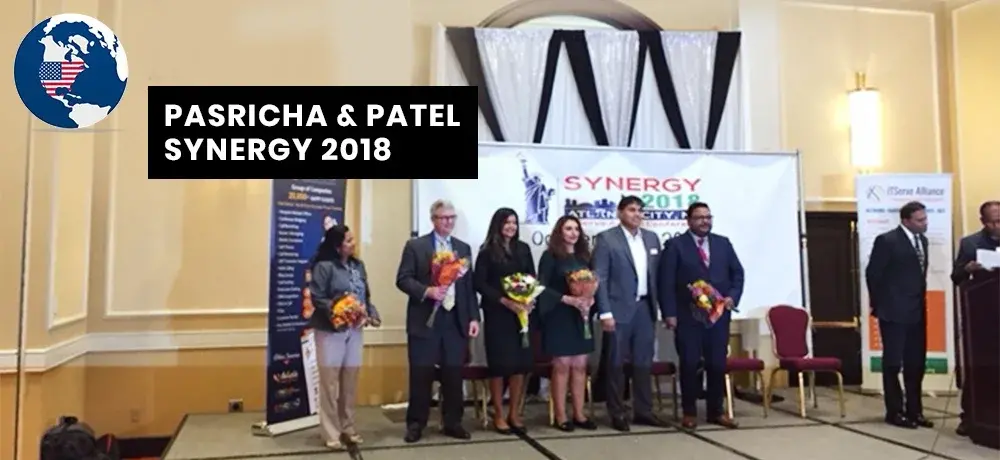
Pasricha & Patel recently attended an IT industry event that was hosted by ITServe as part of its Synergy 2018 kickoff to their annual conference in Atlantic City, NJ.
Click Here To Read The Full Article
Categories: Attorneys , Business Immigration , Business Law , Citizenship , Commercial Litigation , Commercial Transactions , Corporate Law , Green Cards , Immigration Law , International Law , Investment Visas , Law Firm , Lawyers , Legal Services , Real Estate , Software Agreements , Technology Law , Trusts And Estates
https://travel.state.gov/content/dam/visas/Bulletins/visabulletin_october2018.pdf
Pasricha & Patel
While most of the employment-based preference categories’ dates have advanced, the EB-1 visa preference category is still backlogged and not yet ‘current’ due to…
Click Here To Read The Full Article
Categories: Attorneys , Business Immigration , Business Law , Citizenship , Commercial Litigation , Commercial Transactions , Corporate Law , Green Cards , Immigration Law , International Law , Investment Visas , Law Firm , Lawyers , Legal Services , Real Estate , Software Agreements , Technology Law , Trusts And Estates
Pasricha & Patel
USCIS has provided clarification about the STEM OPT training requirements by stating that STEM OPT workers may participate in training that takes place at a work…
Click Here To Read The Full Article

Categories: Attorneys , Business Immigration , Business Law , Citizenship , Commercial Litigation , Commercial Transactions , Corporate Law , Green Cards , Immigration Law , International Law , Investment Visas , Law Firm , Lawyers , Legal Services , Real Estate , Software Agreements , Technology Law , Trusts And Estates
Pasricha & Patel
USCIS has revised its final guidance on unlawful presence for students and exchange visitors by stating that F and M nonimmigrant students who fall…
Click Here To Read The Full Article
Categories: Attorneys , Business Immigration , Business Law , Citizenship , Commercial Litigation , Commercial Transactions , Corporate Law , Green Cards , International Law , Investment Visas , Law Firm , Lawyers , Legal Services , Real Estate , Software Agreements , Technology Law , Trusts And Estates
Pasricha & Patel
This also means that the USCIS is in the middle of adjudicating and reviewing the various H-1B quota petitions that were picked in the lottery process,…
Click Here To Read The Full Article
Categories: Attorneys , Business Immigration , Business Law , Citizenship , Citizenship Green Cards , Commercial Litigation , Commercial Transactions , Corporate Law , Green Cards , Immigration Law , International Law , Investment Visas , Law Firm , Lawyers , Legal Services , Real Estate , Software Agreements , Technology Law , Trusts And Estates
The American Dream and the allure of prosperity, success, dignity of labor and freedom of employment have been attracting thousands of people to the shores of the United States of…
Click Here To Read The Full Article
Categories: Attorneys , Business Immigration , Business Law , Citizenship , Commercial Litigation , Commercial Transactions , Corporate Law , Green Cards , Immigration Law , International Law , Investment Visas , Law Firm , Lawyers , Legal Services , Real Estate , Software Agreements , Technology Law , Trusts And Estates
Pasricha & Patel, LLC
USCIS has just issued a new policy memo to its adjudicating officers in which it restores the adjudicators’ full discretionary authority to deny applications, petitions,…
Click Here To Read The Full Article
Categories: Attorneys , Business Immigration , Business Law , Citizenship , Commercial Litigation , Commercial Transactions , Corporate Law , Green Cards , Immigration Law , International Law , Investment Visas , Law Firm , Lawyers , Legal Services , Real Estate , Software Agreements , Technology Law , Trusts And Estates
Immigration law is a complicated area filled with unique issues and complexities. Having an experienced attorney guide you along the way can help ease the anxieties that you as a…
Click Here To Read The Full Article

Categories: Attorneys , Business Immigration , Business Law , Citizenship , Commercial Litigation , Commercial Transactions , Corporate Law , Green Cards , Immigration Law , International Law , Investment Visas , Law Firm , Lawyers , Legal Services , Real Estate , Software Agreements , Technology Law , Trusts And Estates
https://travel.state.gov/content/dam/visas/Bulletins/visabulletin_July2018.pdf
Pasricha & Patel
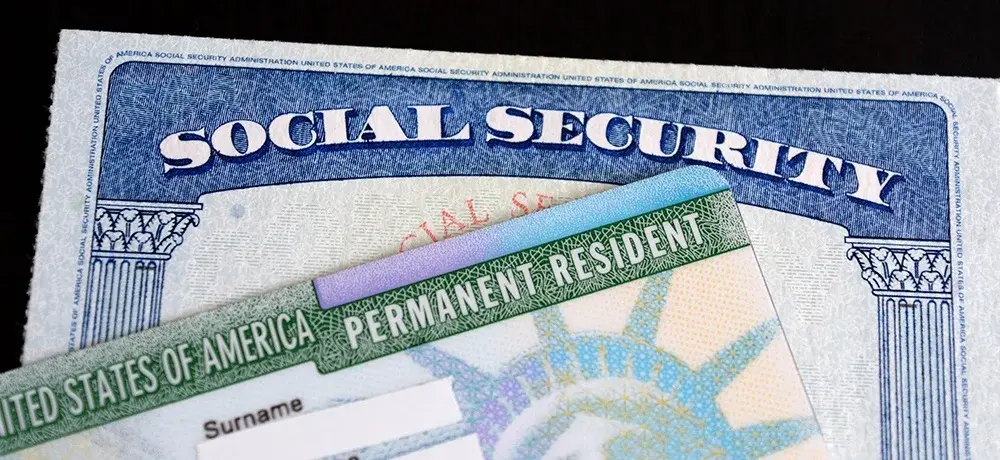
According to the latest projections at the U.S. Department of State, the recent increase in the filings of adjustment of status petitions with the USCIS will…
Click Here To Read The Full Article
Categories: Attorneys , Business Immigration , Business Law , Citizenship , Commercial Litigation , Commercial Transactions , Corporate Law , Green Cards , Immigration Law , International Law , Investment Visas , Law Firm , Lawyers , Legal Services , Real Estate , Software Agreements , Technology Law , Trusts And Estates
https://www.uscis.gov/news/alerts/update-form-i-797-receipt-notices-form-i-751-and-form-i-829
Pasricha & Patel
USCIS has announced that it is extending the combined use of the I-797 filing receipt notices that are issued after the filing of I-751 petition to…
Click Here To Read The Full Article

Categories: Attorneys , Business Immigration , Business Law , Citizenship , Commercial Litigation , Commercial Transactions , Corporate Law , Green Cards , Immigration Law , International Law , Investment Visas , Law Firm , Lawyers , Legal Services , Real Estate , Software Agreements , Technology Law , Trusts And Estates
Pasricha & Patel
While the USCIS’s reminder is not new information, the USCIS wants to remind F-1 students that they should be mindful in making sure that they…
Click Here To Read The Full Article

Categories: Attorneys , Business Immigration , Business Law , Citizenship , Commercial Litigation , Commercial Transactions , Corporate Law , Green Cards , Immigration Law , International Law , Investment Visas , Law Firm , Lawyers , Legal Services , Real Estate , Software Agreements , Technology Law , Trusts And Estates
www.uscis.gov/news/alerts/uscis-policy-manual-updates
Pasricha & Patel
USCIS has updated its Policy Manual to say that some EB-5 Immigrant Investor cases that had previously relied on tenant-occupancy methodologies to show their capital created, or will…
Click Here To Read The Full Article

Categories: Attorneys , Business Immigration , Business Law , Citizenship , Commercial Litigation , Commercial Transactions , Corporate Law , Green Cards , Immigration Law , International Law , Investment Visas , Law Firm , Lawyers , Legal Services , Real Estate , Software Agreements , Technology Law , Trusts And Estates
Pasricha & Patel
USCIS confirms that it has completed the data entry of the H-1B quota cases that were selected in this year’s H-1B lottery. It also confirms that…
Click Here To Read The Full Article

Categories: Attorneys , Business Immigration , Business Law , Citizenship , Commercial Litigation , Commercial Transactions , Corporate Law , Green Cards , Immigration Law , International Law , Investment Visas , Law Firm , Lawyers , Legal Services , Real Estate , Software Agreements , Technology Law , Trusts And Estates
Pasricha & Patel
USCIS has published revised rules, which will take effect on August 9, 2018, that changes how it will determine unlawful presence for students and exchange visitors…
Click Here To Read The Full Article

Categories: Attorneys , Business Immigration , Business Law , Citizenship , Commercial Litigation , Commercial Transactions , Corporate Law , Green Cards , Immigration Law , International Law , Investment Visas , Law Firm , Lawyers , Legal Services , Real Estate , Software Agreements , Technology Law , Trusts And Estates
Pasricha & Patel
U.S. Department of State has just released the June 2018 Visa Bulletin. A quick look at both the family-based and the employment-based preference categories show that…
Click Here To Read The Full Article

Categories: Attorneys , Business Immigration , Business Law , Citizenship , Commercial Litigation , Commercial Transactions , Corporate Law , Green Cards , Immigration Law , International Law , Investment Visas , Law Firm , Lawyers , Legal Services , Real Estate , Software Agreements , Technology Law , Trusts And Estates
https://www.uscis.gov/news/alerts/uscis-updates-policy-dna-evidence-support-sibling-relationships
Pasricha & Patel
In the absence of substantive documentary proof to link sibling-to-sibling relationships in family-based immigrant petition filing cases, the USCIS is finally allowing its officers to consider…
Click Here To Read The Full Article

Categories: Attorneys , Business Immigration , Business Law , Citizenship , Commercial Litigation , Commercial Transactions , Corporate Law , Green Cards , Immigration Law , International Law , Investment Visas , Law Firm , Lawyers , Legal Services , Real Estate , Software Agreements , Technology Law , Trusts And Estates
https://www.uscis.gov/news/news-releases/uscis-begin-using-more-secure-mail-delivery-service
Pasricha & Patel
In an effort to make the delivery of USCIS-issued documents such as ‘green cards’, and EADs, and Travel Documents (i.e. advance parole and re-entry permits) more…
Click Here To Read The Full Article