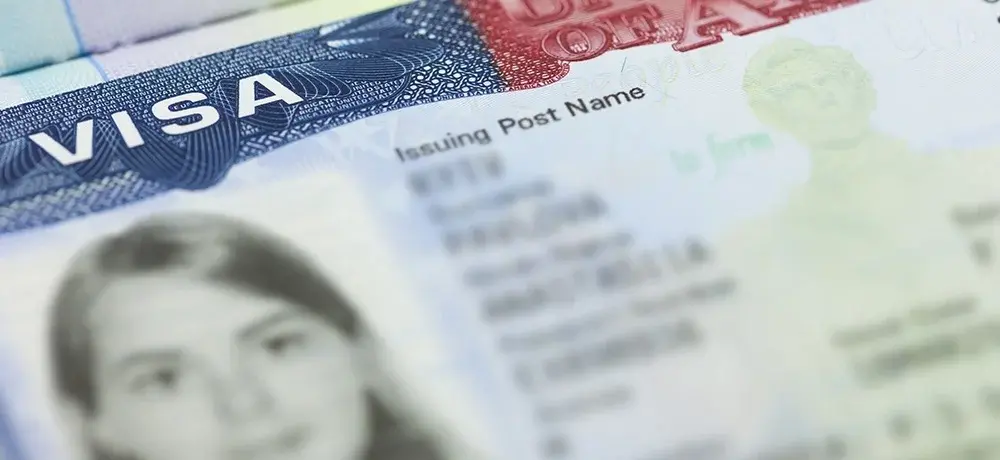
According to the latest projections at the U.S. Department of State, the recent increase in the filings of adjustment of status petitions with the USCIS will likely result in the temporary establishment or retrogression of some final action dates in the visa bulletin in order to hold the visa numbers within the fiscal year 2018 limit.
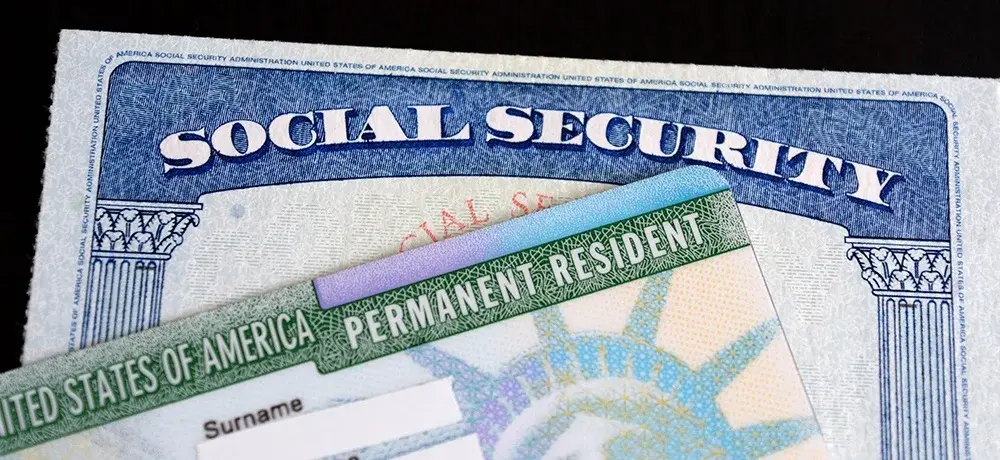
USCIS has announced that it is extending the combined use of the I-797 filing receipt notices that are issued after the filing of I-751 petition to remove conditions on residence
While the USCIS’s reminder is not new information, the USCIS wants to remind F-1 students that they should be mindful in making sure that they do not engage in unauthorized employment, especially if their employment authorization document (EAD) has been terminated due to school transfer or change in their educational level (i.e. starting master’s program after completing the bachelor’s degree program). EAD termination is done by the U.S. Immigration and Customs Enforcement (ICE) ‘s Student and Exchange Visitor Program (SEVP) informing the USCIS of the OPT /EAD termination date, and that termination is automatic. USCIS will then notify the affected F-1 student to allow the F-1 student the opportunity to correct any errors via the F-1 student’s Designated School Official (DSO). It is vital that F-1 students do not engage in unauthorized employment in the U.S. because that can lead to serious repercussions, such as removal from the U.S. and being barred from re-entering the U.S. in the future.
Should our readers have any further questions about OPT/EAD termination, please do not hesitate to contact our office to schedule a consultation to discuss this matter further.
USCIS has updated its Policy Manual to say that some EB-5 Immigrant Investor cases that had previously relied on tenant-occupancy methodologies to show their capital created, or will create, 10 indirect jobs are no longer acceptable because this particular methodology is no longer considered a reliable tool to forecast future indirect job creation through tenant occupants. To be sure, this particular methodology was already facing the practical issue of whether the USCIS would even accept such type of methodology in the first place. And now the USCIS has simply formalized such doubts by disallowing such a practice altogether.
USCIS has also clarified that it will interview ALL adjustment of status applicants, unless the USCIS formally waived such an interview. USCIS did not say what particular criteria it would consider to waive such interviews. To be clear, USCIS did already announce last August 2017 that it was conducting adjustment of status interviews for all employment-based immigrant petitions, as well as for refugee/asylee relative petitions. This is just an updated clarification on that announcement.
And should our readers have any further questions about this policy manual update, the reader can certainly contact our office for further consultation.
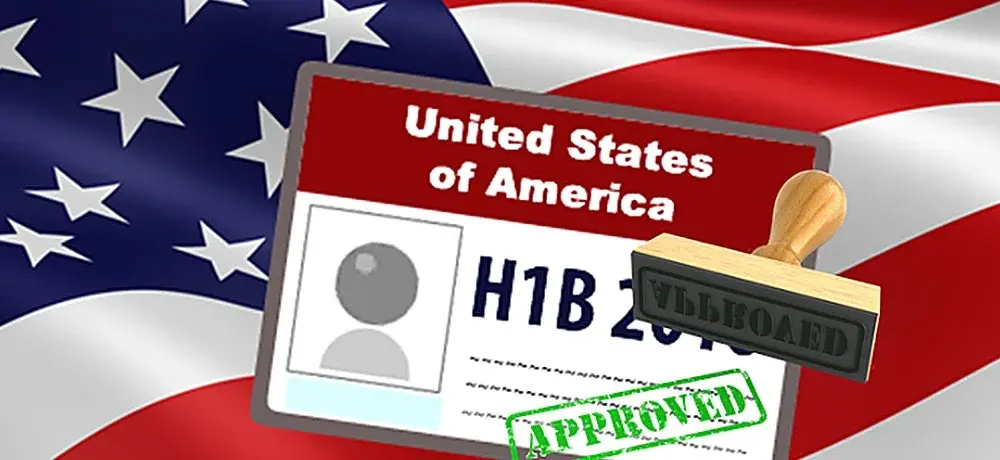
USCIS confirms that it has completed the data entry of the H-1B quota cases that were selected in this year’s H-1B lottery. It also confirms that it will start to return those cases that were not selected in this year’s lottery. Just like in years’ past, this return process can take a few weeks to a few months for the USCIS to complete. And at the same time, the H-1B employer/petitioner can still expect to receive H-1B quota receipt notices. USCIS has advised all petitioners to wait for mailings to reach them in the coming weeks and months, as the USCIS will also make a final announcement once it has returned all the unselected H-1B quota petitions.
Should our readers have any questions about the H-1B quota selection process, please feel free to contact our officefor further consultation.
USCIS has published revised rules, which will take effect on August 9, 2018, that changes how it will determine unlawful presence for students and exchange visitors in F, J, and M nonimmigrant status (which also include F-2, J-2, and M-2 dependents), who fail to maintain their status in the U.S. According to the USCIS, their change in policy is in line with the present administration’s goals to punish those who overstay in the U.S. by having them either leave the U.S. as soon as their academic or training program concludes, or they must timely file for change to other lawful immigrant or nonimmigrant status in order to remain in legal status here in the U.S.
Should our readers have any specific questions about this new policy, we encourage you to contact our office for formal consultation, and we would be happy to assist further.
U.S. Department of State has just released the June 2018 Visa Bulletin. A quick look at both the family-based and the employment-based preference categories show that there are incremental movements – at least holding steady – of the various preference categories.
In the absence of substantive documentary proof to link sibling-to-sibling relationships in family-based immigrant petition filing cases, the USCIS is finally allowing its officers to consider direct sibling-to-sibling DNA results obtained from AABB-accredited labs.
In an effort to make the delivery of USCIS-issued documents such as ‘green cards’, and EADs, and Travel Documents (i.e. advance parole and re-entry permits) more secure and reach the intended delivery recipients, the USCIS is requiring the recipients to personally sign for these items.
If your immigration situation is complicated, or if you simply don’t have the time or confidence to prepare the forms yourself, you might benefit from the help of an immigration lawyer. Although it’s not mandatory to hire an immigration attorney when filing for citizenship or a green card, having an experienced lawyer can help clarify laws to make sure that all of your paperwork is filled out and submitted correctly.
Thanks for stopping by our blog. If you are looking for more information about Pasricha & Patel, LLC, we would be happy to assist.
About Pasricha & Patel
At Pasricha & Patel, LLC, we provide legal services with primary practice areas in immigration, corporate transactions, mergers and acquisition, commercial and residential closings, and trusts and estate
I look forward to sharing my story and I hope that you will enjoy getting to know me better.
I grew up in New Jersey, attended Rutgers University, and Boston University School of Law. I have been helping corporate clients and individuals fulfill their United States immigration needs from the time I became a partner at Pasricha & Patel, LLC in 2006.