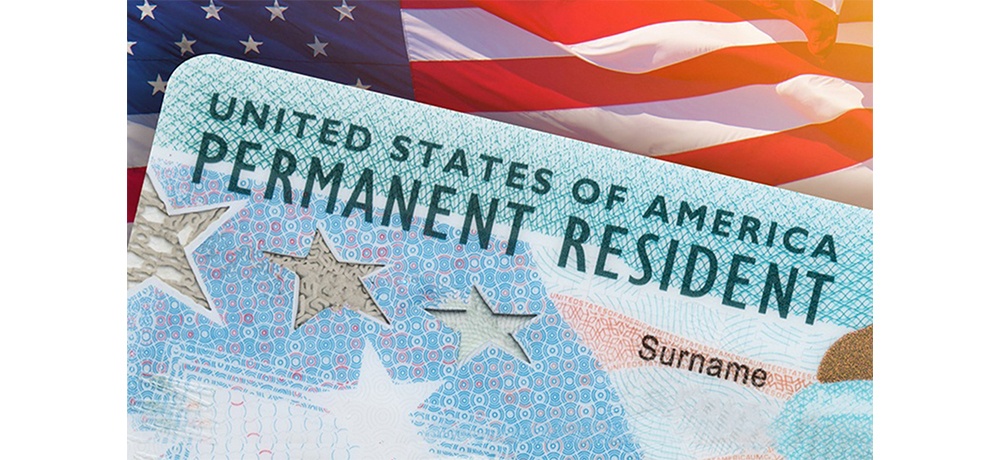
Our Analysis: USCIS has announced that starting on December 12, 2022, it is updating its USCIS Policy Manual to allow USCIS to automatically extend the validity of Permanent Resident Cards (‘Green Cards’) for lawful permanent residents who have applied for naturalization to become U.S. citizens.
Our Analysis: With the U.S. Department of State’s publication of the December 2022 Visa Bulletin, the USCIS has decided it will follow the Dates for Filing for Employment-Based Adjustment of Status Applications for the December 2022 Visa Bulletin.
With the U.S. Department of State’s publication of the November 2022 Visa Bulletin, the USCIS has decided it will follow the Dates for Filing for Employment-Based Adjustment of Status Applications for the November 2022 Visa Bulletin. This is a continuation of the October 2022 visa bulletin. But it is a change from the few months before that when USCIS had been following the Final Action Dates chart starting in June 2022 until September 2022.
USCIS has announced that it is extending the previously announced temporary waiver of the requirement for the Form I-693, Report of Medical Examination and Vaccination Record, that the USCIS-designated civil surgeon must sign the form no more than sixty (60) days before an applicant files an application for immigration benefit (such as filing the Form I-485 adjustment of status), through March 31, 2023.
USCIS has announced that starting on September 26, 2022, it is automatically extending the validity of Permanent Resident Cards (also known as Green Cards) to twenty-four (24) months for lawful permanent residents who have filed Form I-90, Application to Replace Permanent Resident Card.
Following the U.S. Department of State’s recent publication of the October 2021 Visa Bulletin (which is the first month of the new Fiscal Year 2022), the USCIS has once again confirmed that it will continue to follow the Dates for Filing for Family-Sponsored Adjustment of Status Applications for the October 2021 Visa Bulletin.
With the U.S. Department of State’s publication of the October 2022 Visa Bulletin, the USCIS has decided it will follow the Dates for Filing for Employment-Based Adjustment of Status Applications for the October 2022 Visa Bulletin. This is a change from the past few months when USCIS had been following the Final Action Dates chart starting in June 2022 until September 2022.
In an effort to reduce long backlogs and delays at the USCIS Service Centers, the USCIS has decided to extend the suspension of premium processing option for H-1B quota petitions (those that are filed with either the Vermont Service Center, or the California Service Center).
USCIS has announced that it has received sufficient H-1B petitions needed to reach the congressionally mandated 65,000 H-1B visa regular cap and the 20,000 H-1B visa U.S. master’s cap for the upcoming fiscal year 2023.
With the U.S. Department of State’s publication of the September 2022 Visa Bulletin, the USCIS has once again confirmed that it will continue to follow the Final Action Dates for Employment-Based Adjustment of Status Applications for the September 2022 Visa Bulletin.
With the U.S. Department of State’s publication of the August 2022 Visa Bulletin, the USCIS has again confirmed that it will continue to follow the Final Action Dates for Employment-Based Adjustment of Status Applications for the August 2022 Visa Bulletin.
With the U.S. Department of State’s publication of the July 2022 Visa Bulletin, the USCIS has again confirmed that it will continue to follow the Final Action Dates for Employment-Based Adjustment of Status Applications for the July 2022 Visa Bulletin.
After the U.S. Department of State’s publication of the June 2022 Visa Bulletin, the USCIS has again confirmed that it will continue to follow the Dates for Filing for Family-Sponsored Adjustment of Status Applications for the June 2022 Visa Bulletin as family-based immigrant visa usage continues to grow as U.S. consulates move toward normal operations.
As previously informally hinted by the USCIS, it has now officially announced that beginning on May 17, 2021, the USCIS will temporarily suspend the biometric submission requirements of those who belong to the H-4, L-2, and E derivative nonimmigrant visa status categories and who are submitting their Form I-539 application to change or extend their status in the United States. This policy will remain in effect through May 17, 2023.
USCIS has announced that it has published Temporary Final Rule by providing that the automatic extension period applicable to expiring EADs for certain renewal applicants who have filed Form I-765 will be increased from up to 180 days to up to 540 days from the expiration date stated on their EADs.
Following the U.S. Department of State’s publication of the May 2022 Visa Bulletin, the USCIS has once again confirmed that it will continue to follow the Dates for Filing for Family-Sponsored Adjustment of Status Applications for the May 2022 Visa Bulletin as family-based immigrant visa usage continues to improve as U.S. consulates move to normal operations.
USCIS has announced that starting on April 7, 2022, it is updating its policy and relying on a risk-based approach when waiving interviews for conditional permanent residents (CPR) who have filed their I-751 Petition to Remove the Conditions on their permanent resident status.
USCIS oversees the EB-5 Immigrant Investor Program, which was created by Congress in 1990 to help stimulate the United States economy by granting immigrant visas to foreign nationals who either start new commercial enterprises, or invest in existing businesses in the U.S. In order to qualify, investments must be made in any for-profit activities formed for the ongoing conduct of a lawful business. The new commercial enterprise must directly create full-time positions for at least ten (10) qualifying employees. Qualifying employees can be U.S. citizens, lawful permanent residents, or other immigrants authorized to work in the United States. Full-time employees must work a minimum of 35 hours per week. These jobs must be considered permanent full-time jobs. This can include jobs that are expected to last at least two (2) years.