U.S. Citizenship and Immigration Services is preparing some domestic offices to reopen and resume non-emergency public services on or after June 4. On March 18, USCIS temporarily suspended routine in-person services at its field offices, asylum offices and application support centers (ASCs) to help slow the spread of coronavirus (COVID-19). USCIS is following the Centers for Disease Control and Prevention’s guidelines to protect our workforce and the public. For the latest information on the status of individual offices, check our office closures page.


BlogPasricha & Patel
-
USCIS Preparing to Resume Public Services on June 4, 2020
Categories: Attorneys , Business Immigration , Business Law , Citizenship , Citizenship Green Cards , Commercial Litigation , Commercial Transactions , Corporate Law , Green Cards , Immigration Law , International Law , Investment Visas , Law Firm , Lawyers , Legal Services , Real Estate , Software Agreements , Technology Law , Trusts And Estates
Click Here To Read The Full Article
-
USCIS Sets the June 2020 Adjustment of Status Filing Charts from the Visa Bulletin
Categories: Attorneys , Business Immigration , Business Law , Citizenship , Citizenship Green Cards , Commercial Litigation , Commercial Transactions , Corporate Law , Green Cards , Immigration Law , International Law , Investment Visas , Law Firm , Lawyers , Legal Services , Real Estate , Software Agreements , Technology Law , Trusts And Estates
Pasricha & Patel
For the June 2020 Visa Bulletin just published by the U.S. Department of State, the USCIS has decided to continue to follow the previous months’ filing procedure and set that for family-sponsored filings, filers should once again follow the Dates for Filing Chart for the June 2020 Visa Bulletin.
Click Here To Read The Full Article
-
USCIS Extends Temporary Closure of Its Local Offices Through June 3, 2020
Categories: Attorneys , Business Immigration , Business Law , Citizenship , Citizenship Green Cards , Commercial Litigation , Commercial Transactions , Corporate Law , Green Cards , Immigration Law , International Law , Investment Visas , Law Firm , Lawyers , Legal Services , Real Estate , Software Agreements , Technology Law , Trusts And Estates
Link: https://www.uscis.gov/news/alerts/uscis-offices-preparing-reopen-june-4
Pasricha & Patel
USCIS has announced that it is further extending the temporary suspension of all in-person services at its field offices, asylum offices, and application support centers (ASCs), and it preparing to re-open its offices on or after June 4 2020, unless the public closures are further extended. Previously, the suspension of services was through May 3, 2020.
Click Here To Read The Full Article
-
USCIS Sets the May 2020 Adjustment of Status Filing Charts from the Visa Bulletin
Categories: Attorneys , Business Immigration , Business Law , Citizenship , Citizenship Green Cards , Commercial Litigation , Commercial Transactions , Corporate Law , Green Cards , Immigration Law , International Law , Investment Visas , Law Firm , Lawyers , Legal Services , Real Estate , Software Agreements , Technology Law , Trusts And Estates
Link: https://www.uscis.gov/visabulletininfo
Pasricha & Patel
Following the much-delayed release of the May 2020 Visa Bulletin by the U.S. Department of State, the USCIS has decided to continue following the previous months’ filing procedure and set that for family-sponsored filings, filers should once again follow the Dates for Filing Chart for the May 2020 Visa Bulletin.
Click Here To Read The Full Article
-
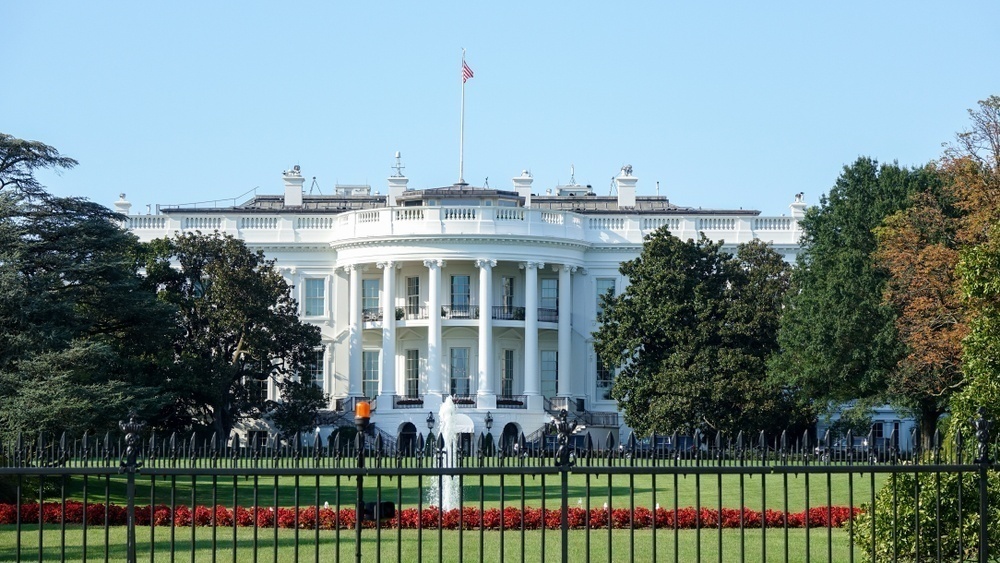
White House Proclamation Suspending Entry of Certain Immigrants
Categories: Attorneys , Business Immigration , Business Law , Citizenship , Citizenship Green Cards , Commercial Litigation , Commercial Transactions , Corporate Law , Green Cards , Immigration Law , International Law , Investment Visas , Law Firm , Lawyers , Legal Services , Real Estate , Software Agreements , Technology Law , Trusts And Estates
Pasricha & Patel
The Trump administration has signed a presidential proclamation that temporarily suspends the entry of certain types of immigrants to the U.S. for 60 days if:
- They do not have a valid immigrant visa as of the effective date of the proclamation on 11:59 pm EDT on April 23, 2020
- They do not have an official travel document other than an immigrant visa that is valid as of the effective date of the proclamation or is issued thereafter and allows the person to travel to the U.S. and see entry or admission (such as a transportation letter, boarding foil or advanceparole document)
It should be noted that this temporary ban does NOT impact the filing or processing of applications for adjustment of status to lawful permanent resident status (i.e. I-485 filings). So, applicants who are eligible for, and wish to file for immigrant petitions here in the U.S. can continue to submit their petitions to the USCIS.
Click Here To Read The Full Article
-
The Impact of Furloughs and Layoffs on H-1B Visa Holders and Employers
Categories: Attorneys , Business Immigration , Business Law , Citizenship , Citizenship Green Cards , Commercial Litigation , Commercial Transactions , Corporate Law , Green Cards , Immigration Law , International Law , Investment Visas , Law Firm , Lawyers , Legal Services , Real Estate , Software Agreements , Technology Law , Trusts And Estates
The Impact of Furloughs and Layoffs on H-1B Visa Holders and Employers
During this COVID-19 pandemic, many employers have unfortunately been forced to reduce their staff. There are many employees throughout the country who have been laid off or placed in furlough by their employers. The result has been devastating for individuals throughout the country. However, what happens when the employee is an individual in H-1B status? What kind of options available for the H-1B holder to continue to maintain non-immigrant status? What obligations does the employer hold when facing this situation for an H-1B employee? There are many new scenarios and situations that are arising in this difficult time and it is important for H-1B employers and employees to be aware of the current rules as well as their responsibilities and rights.
Click Here To Read The Full Article
-
Temporary Closure of All USCIS Offices Extended Through at least May 3, 2020
Categories: Attorneys , Business Immigration , Business Law , Citizenship , Citizenship Green Cards , Commercial Litigation , Commercial Transactions , Corporate Law , Green Cards , Immigration Law , International Law , Investment Visas , Law Firm , Lawyers , Legal Services , Real Estate , Software Agreements , Technology Law , Trusts And Estates
Link: https://www.uscis.gov/news/alerts/uscis-temporary-office-closure-extended-until-least-may-3
Pasricha & Patel
USCIS has announced that it is further extending the temporary suspension of all in-person services at its field offices, asylum offices, and application support centers (ASCs), and it will re-open its offices on May 4, 2020, unless the public closures are further extended.
Click Here To Read The Full Article
-
FY 2021 H-1B Cap Petitions May Be Filed as of April 1, 2020
Categories: Attorneys , Business Immigration , Business Law , Citizenship , Citizenship Green Cards , Commercial Litigation , Commercial Transactions , Corporate Law , Green Cards , Immigration Law , International Law , Investment Visas , Law Firm , Lawyers , Legal Services , Real Estate , Software Agreements , Technology Law , Trusts And Estates
Link: https://www.uscis.gov/news/news-releases/fy-2021-h-1b-cap-petitions-may-be-filed-april-1
Pasricha & Patel
USCIS has announced that the H-1B cap petitions for Fiscal Year 2021 can be filed with the USCIS starting on April 1, 2020.
USCIS also reminds H-1B petitioners that it can only be eligible to file an FY 2021 H-1B cap-subject petition if they had first electronically registered the particular H-1B beneficiary in the H-1B registration process and the USCIS selected the registration submitted for the beneficiary through the lottery/selection process.
Click Here To Read The Full Article
-
USCIS Completes Initial H-1B Electronic Registration Selection Process
Categories: Attorneys , Business Immigration , Business Law , Citizenship , Citizenship Green Cards , Commercial Litigation , Commercial Transactions , Corporate Law , Green Cards , Immigration Law , International Law , Investment Visas , Law Firm , Lawyers , Legal Services , Real Estate , Software Agreements , Technology Law , Trusts And Estates
Link: https://www.uscis.gov/news/alerts/h-1b-initial-electronic-registration-selection-process-completed
Pasricha & Patel
USCIS has announced that it has received sufficient H-1B quota registrations for the fiscal year 2021, and it has also conducted the random selection/lottery drawing of those registrations. The USCIS also confirmed that it has notified the H-1B petitioners with selected registrations regarding the next steps to take, including the submission of H-1B quota petitions, starting on April 1, 2020 and lasting through at least June 30, 2020.
Click Here To Read The Full Article
-
USCIS to Continue Processing Applications for Employment Authorization Extension Requests Despite Application Support Center Closures
Categories: Attorneys , Business Immigration , Business Law , Citizenship , Citizenship Green Cards , Commercial Litigation , Commercial Transactions , Corporate Law , Green Cards , Immigration Law , International Law , Investment Visas , Law Firm , Lawyers , Legal Services , Real Estate , Software Agreements , Technology Law , Trusts And Estates
Pasricha & Patel
USCIS has announced that it will reuse the previously submitted biometrics so that it can continue to process and adjudicate the validly filed Form I-765 Employment Authorization Document (EAD) extension requests, even in light of the temporary closure of the USCIS Application Support Centers (ASCs) to the public due to the current COVID-19 crisis.
Click Here To Read The Full Article
-
USCIS Announces Flexibility in Responding to Requests for Evidence, and Notices of Intent to Deny
Categories: Attorneys , Business Immigration , Business Law , Citizenship , Citizenship Green Cards , Commercial Litigation , Commercial Transactions , Corporate Law , Green Cards , Immigration Law , International Law , Investment Visas , Law Firm , Lawyers , Legal Services , Real Estate , Software Agreements , Technology Law , Trusts And Estates
Link: https://www.uscis.gov/news/alerts/uscis-announces-flexibility-requests-evidence-notices-intent-deny
Pasricha & Patel
In response to the ongoing COVID-19 crisis, the USCIS has announced that it is adopting a more flexible approach to those applicants and petitioners who have to respond to Requests for Further Evidence (RFEs), and Notices of Intent to Deny (NOID) that are issued between March 1, 2020 through May 1, 2020.
Click Here To Read The Full Article
-
Temporary Closure of All USCIS Offices from March 18, 2020 through at least April 1, 2020
Categories: Attorneys , Business Immigration , Business Law , Citizenship , Citizenship Green Cards , Commercial Litigation , Commercial Transactions , Corporate Law , Green Cards , Immigration Law , International Law , Investment Visas , Law Firm , Lawyers , Legal Services , Real Estate , Software Agreements , Technology Law , Trusts And Estates
Link: https://www.uscis.gov/news/alerts/uscis-temporary-office-closure-extended-until-least-april-7
Pasricha & Patel
USCIS has announced that it is extending the temporary suspension of all in-person services at its field offices, asylum offices, and application support centers (ASCs), and it will re-open its offices on April 7, 2020, unless the public closures are further extended. Previously, the suspension of services was through April 1, 2020.
Click Here To Read The Full Article
-
Department of Homeland Security Announces Flexibility to Form I-9 Compliance Requirements due to COVID-19 Emergency
Categories: Attorneys , Business Immigration , Business Law , Citizenship , Citizenship Green Cards , Commercial Litigation , Commercial Transactions , Corporate Law , Green Cards , Immigration Law , International Law , Investment Visas , Law Firm , Lawyers , Legal Services , Real Estate , Software Agreements , Technology Law , Trusts And Estates
Link: https://www.ice.gov/news/releases/dhs-announces-flexibility-requirements-related-form-i-9-compliance
Pasricha & Patel
The Department of Homeland Security has announced that effective Friday, March 20, 2020, it will exercise discretion and defer the physical presence requirements related to Form I-9 Employment Eligibility Verification of the INA. This means that employers with employees that take physical proximity/social distancing precautions due to the COVID-19 emergency will not be required to review the employee’s identity and employment authorization documents in the employee’s physical presence.
Click Here To Read The Full Article
-
USCIS Allows Flexibility in Submitting Required Signatures for Various Forms During COVID-19 Emergency
Categories: Attorneys , Business Immigration , Business Law , Citizenship , Citizenship Green Cards , Commercial Litigation , Commercial Transactions , Corporate Law , Green Cards , Immigration Law , International Law , Investment Visas , Law Firm , Lawyers , Legal Services , Real Estate , Software Agreements , Technology Law , Trusts And Estates
Pasricha & Patel
USCIS has announced that it will start accepting all forms that request immigration benefits with the USCIS with reproduced (copy) of original signatures. This includes the form I-129 petition, which is used to file for various non-immigrant employment-based petitions (such as E/H/L/O/P status categories), for submissions dated Saturday, March 21, 2020 and beyond.
Click Here To Read The Full Article
-
USCIS Announces Temporary Suspension of Premium Processing for All I-129 and I-140 employment-based petitions
Categories: Attorneys , Business Immigration , Business Law , Citizenship , Citizenship Green Cards , Commercial Litigation , Commercial Transactions , Corporate Law , Green Cards , Immigration Law , International Law , Investment Visas , Law Firm , Lawyers , Legal Services , Real Estate , Software Agreements , Technology Law , Trusts And Estates
Pasricha & Patel
USCIS has announced that effective immediately (Friday, March 20, 2020), it will suspend premium processing services for all Form I-129 and I-140 petitions due to the ongoing COVID-19 crisis. This suspension means that USCIS will not accept premium/expedited requests for all the employment-based immigrant and non-immigrant petitions. This suspension will last until further notice and for the immediate future.
Click Here To Read The Full Article
-
Temporary Closure of All USCIS Offices from March 18, 2020 through at least April 1, 2020
Categories: Attorneys , Business Immigration , Business Law , Citizenship , Citizenship Green Cards , Commercial Litigation , Commercial Transactions , Corporate Law , Green Cards , Immigration Law , International Law , Investment Visas , Law Firm , Lawyers , Legal Services , Real Estate , Software Agreements , Technology Law , Trusts And Estates
Link: https://www.uscis.gov/news/alerts/uscis-temporarily-closing-offices-public-march-18-april-1
Pasricha & Patel
Starting on Wednesday, March 18, 2020, the USCIS is temporarily suspending all in-person services at its field offices, asylum offices and application support centers (ASCs). This is an effort by the USCIS to stop the spread of the Coronavirus Disease 2019 (COVID-19).
Click Here To Read The Full Article
-
US Department of State Publishes the April 2020 Visa Bulletin
Categories: Attorneys , Business Immigration , Business Law , Citizenship , Citizenship Green Cards , Commercial Litigation , Commercial Transactions , Corporate Law , Green Cards , Immigration Law , International Law , Investment Visas , Law Firm , Lawyers , Legal Services , Real Estate , Software Agreements , Technology Law , Trusts And Estates
Pasricha & Patel
There are some changes between the March 2020 visa bulletin and the April 2020 visa bulletin.
Based on the April 2020 Visa Bulletin published by the U.S. Department of State, the USCIS has determined that for family-sponsored filings, filers should continue to follow the Dates for Filing Chart for the April 2020 Visa Bulletin.
Click Here To Read The Full Article
-
USCIS announces the temporary suspension of premium processing for the upcoming H-1B FY 2021 quota cases
Categories: Attorneys , Business Immigration , Business Law , Citizenship , Citizenship Green Cards , Commercial Litigation , Commercial Transactions , Corporate Law , Green Cards , Immigration Law , International Law , Investment Visas , Law Firm , Lawyers , Legal Services , Real Estate , Software Agreements , Technology Law , Trusts And Estates
Pasricha & Patel
USCIS has announced that H-1B petitioners will not be able to request for premium processing service for the FY2021 H-1B quota petitions, at least not initially.
Just like last year (2019), the USCIS will be allowing premium processing service for H-1B quota petitions this year in stages:
Click Here To Read The Full Article
-

Update on COVID-19 virus and our firm's operations moving forward
Categories: Attorneys , Business Immigration , Business Law , Citizenship , Citizenship Green Cards , Commercial Litigation , Commercial Transactions , Corporate Law , Green Cards , Immigration Law , International Law , Investment Visas , Law Firm , Lawyers , Legal Services , Real Estate , Software Agreements , Technology Law , Trusts And Estates
We would like you to know that Pasricha & Patel is taking the COVID-19 Virus very seriously. We are also concerned about the health and wellbeing of our clients and team members.
Click Here To Read The Full Article
-
USCIS Confirms that it will follow the Dates for Filing Charts for both Family-based and Employment-based immigrant visas for March 2020
Categories: Attorneys , Business Immigration , Business Law , Citizenship , Citizenship Green Cards , Commercial Litigation , Commercial Transactions , Corporate Law , Green Cards , Immigration Law , International Law , Investment Visas , Law Firm , Lawyers , Legal Services , Real Estate , Software Agreements , Technology Law , Trusts And Estates
Link: https://www.uscis.gov/visabulletininfo
Pasricha & Patel
In the March 2020 Visa Bulletin published by the U.S. Department of State, the USCIS has determined that for family-sponsored filings, filers should continue to follow the Dates for Filing Chart for the March 2020 Visa Bulletin.
But note once again that in the F2A category, there is a cutoff date on the Dates for Filing Chart. However, because the same F2A category is “Current” on the Final Action Dates chart, this does mean that applicants in the F2A category may use the Final Action Dates chart for February 2020).
Click Here To Read The Full Article
